
Key Takeaways
- Nashville’s humid subtropical climate and often clay-heavy soil favor trees that tolerate both wet spring conditions and hot, humid summers.
- Native shade trees like white oak, red maple, and tulip poplar, Tennessee’s state tree, are reliable long-term choices.
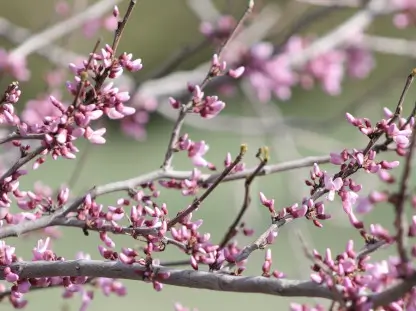
- Flowering natives such as eastern redbud and dogwood add seasonal color while staying well adapted to the local climate.
- Fast-growing, weak-wooded species can create outsized storm risk and are generally best avoided near structures.
- Clay soil drainage should factor into both species selection and planting technique.
- Right tree, right place remains the guiding principle: match mature size and root habit to the space available.
Understanding Nashville’s Climate and Soil
Nashville sits in USDA hardiness zones 7a to 7b, characterized by hot, humid summers, generally mild winters, and rainfall distributed fairly evenly throughout the year. Average summer temperatures regularly climb into the 90s Fahrenheit, while winter lows can dip into the teens during cold snaps. This humid subtropical climate favors trees that can handle both heat stress and periodic freezing.
Equally important is Nashville’s soil profile. Much of the region’s soil leans toward heavy clay, which drains slowly and can compact easily, particularly in newer residential developments where topsoil has been disturbed during construction. Clay soil holds moisture well but can become waterlogged after heavy rains, leading to root rot if trees aren’t properly selected or planted. Species that tolerate both periods of wet soil and Tennessee’s intense summer heat tend to perform best over the long term.
Best Native Shade Trees for Nashville
Nashville’s climate supports a variety of beautiful native shade trees that can provide cooling shade, wildlife benefits, and lasting landscape value. Selecting species that naturally thrive in the region can also reduce maintenance and help your trees stay healthy for years to come.
-
White Oak (Quercus alba)
A long-lived native known for its strong wood and impressive mature canopy, white oak is exceptionally well suited to Middle Tennessee’s climate. While it grows slowly compared to some other shade trees, its longevity and structural strength make it an excellent investment for properties with adequate space. White oaks can live for centuries, providing generations of shade and ecological benefits.
-
Red Maple (Acer rubrum)
A fast-growing native with reliable fall color, red maple adapts well to Nashville’s clay soil and tolerates both wet and moderately dry conditions. Its versatility makes it a popular choice for homeowners seeking quicker shade without sacrificing native adaptation. Red maples also offer vibrant autumn foliage, adding seasonal interest to the landscape.
-
Tulip Poplar (Liriodendron tulipifera)
Tennessee’s state tree, tulip poplar grows quickly into a tall, straight shade tree and is well suited to the region’s climate. It benefits from being planted with enough room to reach its substantial mature height, often 70 to 90 feet. Tulip poplars are valued for their rapid growth, attractive tulip-shaped leaves, and yellow spring flowers, though they do drop debris and require significant space.
Best Flowering and Ornamental Trees
Some of the best flowering and ornamental trees for Nashville, Tennessee are as follows –
-
Eastern Redbud (Cercis canadensis)
A Middle Tennessee favorite, eastern redbud offers vivid early spring blooms, stays relatively compact, and handles clay soil well. Typically reaching 20 to 30 feet at maturity, redbuds are ideal for smaller yards or as understory trees beneath larger shade species. Their heart-shaped leaves and pink-to-purple spring flowers make them a standout ornamental choice.
-
Flowering Dogwood (Cornus florida)
A classic Southern ornamental, flowering dogwood performs best with some afternoon shade and consistent moisture, making it a good understory or accent tree in a Nashville landscape. Dogwoods offer stunning spring blooms, attractive fall color, and red berries that persist into winter. They’re best planted in protected locations with well-drained soil amendments to offset clay conditions.
Service Berry
Species to Approach With Caution
Some fast-growing species that are widely planted for quick results such as Bradford pear and silver maple are known for weak wood and branch structure that makes them more prone to storm damage as they mature. These trees can look appealing in the short term but often create higher long-term maintenance and safety costs, particularly near a home or driveway.
- Bradford Pear: Prone to splitting at the crotch, invasive seed spread, and short lifespan.
- Silver Maple: Aggressive root systems that can damage foundations and sidewalks, plus weak wood susceptible to breakage.
While these species may offer quick results, their structural weaknesses and maintenance demands often outweigh their initial appeal.
Clay Soil Considerations
Nashville’s clay soil drains slowly, which can lead to root problems if trees are planted too deep or if the planting hole isn’t amended appropriately. Selecting species that tolerate periodic wet conditions and planting with proper technique goes a long way toward avoiding root rot and poor establishment.
Key planting tips for clay soil:
- Don’t Plant Too Deep: The root flare should be visible at or slightly above ground level.
- Amend the Soil: Mix compost or organic matter into the planting hole to improve drainage.
- Wide, Shallow Holes: Dig a hole 2-3 times wider than the root ball but no deeper.
- Mulch Properly: Apply 2 to 4 inches of mulch around the base, keeping it away from the trunk.
- Water Wisely: Deep, infrequent watering encourages roots to grow downward rather than staying shallow.
Taking these steps during planting can significantly improve a tree’s chances of thriving in Nashville’s challenging soil conditions.
Right Tree, Right Place
As with any region, matching a tree’s mature size and root habit to the available space matters as much as species selection. Consider overhead utility lines, foundation proximity, and how much room a tree will need once it reaches full maturity, not just how it looks as a sapling.
Questions to ask before planting:
- How tall and wide will this tree be at maturity?
- Will its roots interfere with foundations, sidewalks, or underground utilities?
- Is there enough clearance from power lines and structures?
- Does the tree’s sun and soil requirements match the planting site?
- Wilting or fruit drop create maintenance issues near driveways or patios?
Planning for a tree’s full lifecycle prevents costly removals or damage repairs later.
How Chop Nashville Tree Care Can Help
Chop Nashville Tree Care provides expert tree care throughout Nashville and the surrounding Middle Tennessee area, backed by ISA-certified arborists with more than a decade of local experience. We can help you select the right species based on your property’s soil, sunlight, available space, and long-term goals.
Frequently Asked Questions About Choosing Trees for Nashville, TN
What is the best shade tree to plant in Nashville?
White oak and tulip poplar are both strong long-term choices for shade, with tulip poplar growing considerably faster and white oak offering exceptional longevity and strong wood.
Are fast-growing trees a bad idea in Nashville?
Not all of them, but some fast-growing species like Bradford pear and silver maple are known for weak wood and are more prone to storm damage as they mature, which is worth weighing against the appeal of quick shade.
How does clay soil affect tree planting in Nashville?
Clay soil drains slowly, which can cause root problems if a tree is planted too deep or without proper soil preparation. Choosing tolerant species and using correct planting techniques both help avoid these issues.
What’s a good small flowering tree for a Nashville yard?
Eastern redbud and flowering dogwood are both popular, well-adapted choices for smaller yards, offering spring color while handling the local climate and soil well.
Is Tennessee’s state tree, the tulip poplar, a good choice for a residential yard?
It can be, particularly on larger properties, since tulip poplar grows into a very tall tree and needs enough room to reach its full mature size without crowding structures or power lines.
How far should a new tree be planted from my house?
This depends on the tree’s mature size and root spread. As a general rule, larger shade trees need more distance from foundations and structures than smaller ornamental trees.
Can Chop Nashville help me pick the right tree for my property?
Yes, our arborists can evaluate your yard’s soil, sun exposure, and space, and recommend species suited to your specific property and goals.
Summary Checklist: Trees for Nashville Properties
| Tree | Best For | Key Consideration |
| White Oak | Long-term shade, strong wood | Slow growing; needs patience |
| Red Maple | Fast shade, fall color | Tolerates clay soil well |
| Tulip Poplar | Tall shade tree | Needs significant mature space |
| Eastern Redbud | Small yards, spring color | Compact and clay-tolerant |
| Bradford Pear / Silver Maple | Avoid near structures | Weak wood, storm-prone |
Reviewed by Certified Arborist
This article has been reviewed by a certified arborist to ensure accuracy with tree selection, Nashville’s growing conditions, clay soil considerations, and storm-resilient landscaping.