Tulip poplar care and removal in Nashville helps homeowners maintain healthy trees and address potential safety hazards. Regular inspections and appropriate pruning can identify dead branches, disease, and structural weaknesses before they become serious problems. Nashville’s strong storms and high winds can damage mature tulip poplars, making professional assessments important. When a tree becomes severely damaged, diseased, or unstable, removal may be necessary to protect nearby homes and outdoor spaces.
Why Tulip Poplars Thrive and Struggle in Nashville Yards
Tulip poplars (Liriodendron tulipifera) are native trees that can thrive in Nashville’s climate when they have enough space, suitable soil, and adequate moisture. Known as the State Tree of Tennessee, the Tulip Poplar can be a very dependable shade tree with some care for its tall branch structure. These trees can grow more than 100 feet tall, making them impressive additions to large properties. However, their size and branch structure can create challenges in residential yards, especially during severe weather.
- Large size and rapid growth: Tulip poplars can grow quickly in favorable conditions and reach considerable heights. Their mature size makes proper placement important, particularly near homes, driveways, and other structures.
- Exposure to strong winds: Trees growing in open yards face different conditions from those in dense forests. Strong winds and thunderstorms can break branches, especially when the tree has deadwood or structural defects.
- Soil and moisture conditions: Tulip poplars generally prefer deep, moist, well-drained soil. Poor drainage, prolonged drought, and root disturbance can affect their health and stability.
- Limited growing space: A mature tulip poplar needs room for its crown and root system. Planting one too close to buildings or pavement can create maintenance challenges as the tree grows.
Understanding these factors helps homeowners decide how to maintain a tulip poplar and when to seek professional advice.
Basic Tulip Poplar Care
Consistent maintenance can help a tulip poplar stay healthy as it matures. Focus on these essential care practices:
- Water during drought: Water deeply during prolonged dry periods, especially while the tree is young or becoming established. Adjust watering based on rainfall and soil conditions rather than relying on a fixed schedule.
- Mulch the root zone: Apply a two- to three-inch layer of mulch around the tree, extending toward the dripline where practical. Keep mulch away from the trunk to prevent excess moisture from collecting against the bark.
- Protect the roots: Avoid unnecessary digging, trenching, soil compaction, and grade changes beneath the canopy. Root damage may not become obvious until the tree begins to decline.
- Prune selectively: Remove dead, damaged, and poorly attached branches when needed. A qualified arborist can determine the appropriate timing and pruning method for the tree’s condition.
- Inspect after storms: Look for hanging branches, fresh cracks, torn bark, and changes in the tree’s lean. Keep people away from damaged trees until an assessment confirms that the area is safe.
Tulip poplars may shed leaves earlier than usual during hot, dry weather. However, repeated premature leaf drop, thinning foliage, or branch dieback can indicate stress. An arborist can assess the tree and recommend appropriate care, including professional tree pruning and trimming.
Common Tulip Poplar Problems
Tulip poplars can experience pest activity, decay, branch failure, and root-related problems. Recognizing the warning signs helps homeowners determine when a tree needs attention.
- Sticky Drips and Black Residue: Aphids and tulip tree scale can produce sticky honeydew that coats leaves, cars, patios, and other surfaces. Black sooty mold may develop on the honeydew. The University of California Statewide Integrated Pest Management Program explains common aphid problems and management options.
- Cankers and Trunk Decay: Sunken areas, trunk cracks, cavities, and fungal growth may indicate damage or decay. These symptoms warrant an assessment, particularly when they appear near major branch unions or the base of the tree.
- Branch Drop: Dead, damaged, or structurally weak branches can break during storms or other stressful conditions. Large falling limbs can threaten people, vehicles, roofs, and nearby structures.
- Sudden Branch Wilting: A branch that wilts or dies while the rest of the crown remains healthy may indicate disease, root stress, or another underlying problem. An arborist can investigate the cause.
- Root Damage and Poor Drainage: Compacted soil, damaged roots, and prolonged waterlogging can affect tree health. Changes in soil level or construction near the root zone can also contribute to decline.
- Dead or Diseased Limbs: Dead branches, thinning foliage, and progressive dieback can signal declining health. A dedicated tree care team in Nashville, TN, can assess the symptoms and recommend suitable next steps.
Regular inspections and appropriate pruning can address some problems before they worsen. However, extensive decay or significant structural damage may require more extensive action.
5 Signs a Tulip Poplar Should Come Down
Most healthy tulip poplars are worth preserving when they have adequate space. Removal may become the safer option when the tree has serious defects that cannot be managed effectively.
Watch for these warning signs:
- A dead or severely declining upper crown with extensive branch dieback.
- A new or worsening lean, especially when accompanied by lifted soil or cracks around the base.
- Large trunk cracks, cavities, or extensive areas of damaged bark.
- Fungal growth near the root flare or on the trunk, which may warrant investigation for decay.
- Repeated large branch failures over a house, driveway, play area, or other frequently used space.
These signs do not automatically mean the tree must be removed. Their significance depends on the tree’s overall condition, the extent of the damage, and the potential consequences of failure.
If a tree has developed a sudden lean, split, or hanging limbs after a storm, keep people away from the area and arrange a prompt professional assessment. For immediate hazards, contact a provider offering 24/7 emergency tree service. Never attempt to cut or remove large hanging branches yourself.
What Tulip Poplar Removal Involves
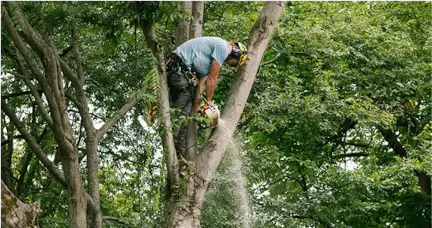
Tulip poplar removal requires careful planning because mature trees can reach substantial heights. The crew must consider the tree’s condition, the available working space, nearby structures, and access for equipment.
The process typically includes:
- Tree assessment: The crew evaluates the tree’s size, condition, position, and potential hazards before selecting a removal method.
- Site preparation: The team identifies work zones and considers nearby homes, fences, landscaping, vehicles, and utility lines.
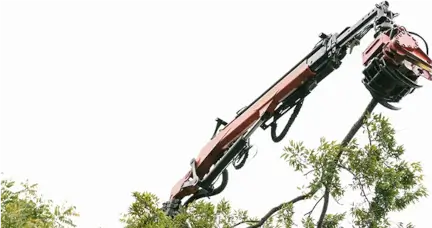
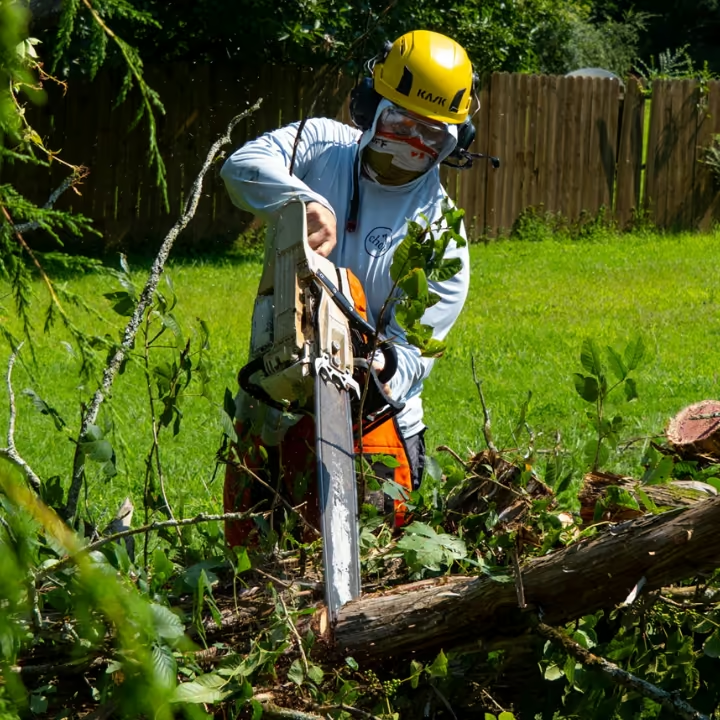
- Controlled removal: Depending on access and site conditions, the crew may dismantle the tree in sections or use a crane to move large pieces safely.
- Debris removal: Branches and wood are cleared according to the agreed scope of work.
- Stump management: Homeowners can discuss whether stump grinding is included or quoted separately.
Because tulip poplars can grow very tall, felling the entire tree in one piece may not be practical on residential lots. Sectional removal or crane-assisted work may be more suitable when buildings, fences, or other obstacles limit the available space.
Before work begins, ask what the estimate covers, how the crew plans to protect the surrounding property, and whether debris removal and stump grinding are included. The final cost depends on factors such as tree size, condition, access, and equipment requirements.
Permits, Property Lines, and Timing
Before removing a tulip poplar, check whether local rules or property restrictions apply. Permit requirements can depend on the tree’s location, its status, and the property’s zoning or approved site plans. Trees in public rights of way and trees subject to specific protections may have additional requirements.
Read Chop Nashville’s guide to Nashville tree removal laws and requirements before scheduling work, and confirm any applicable requirements with Metro Nashville. If you live in a community with a homeowners association, review its rules as well.
Trees growing on or near property boundaries can also raise ownership concerns. Discuss the situation with your neighbor and establish the property line before authorizing work that could affect a shared tree.
For planned maintenance, an arborist can recommend suitable pruning and inspection times based on the tree’s condition. However, a tree that presents an immediate safety risk should be assessed promptly rather than left until a more convenient season.
A Simple Seasonal Care Calendar
A seasonal routine helps you monitor your tulip poplar and respond to changing conditions throughout the year.
- Spring: Inspect new growth for unusual discoloration, pest activity, and signs of winter damage. Look for dead or broken branches before the canopy becomes dense.
- Early summer: Monitor soil moisture during dry periods and check the tree after strong storms. Maintain mulch around the root zone without piling it against the trunk.
- Late summer and fall: Watch for premature leaf drop, thinning foliage, and branch dieback. Water during extended dry spells when conditions warrant it.
- Winter: Inspect the tree’s overall structure and arrange professional pruning when appropriate. The absence of leaves can make some structural defects easier to see.
Young trees benefit from proper planting, watering, and early structural care. Mature trees need continued monitoring because their size can make defects more consequential. If you notice changes that concern you, ask an arborist to assess the tree rather than assuming the symptoms are seasonal.
How Chop Nashville Keeps Tulip Poplars Healthy and Safe
Chop Nashville helps homeowners maintain trees and address potential hazards before they cause property damage. Our team can assess dead branches, structural weaknesses, and signs of decay, then recommend appropriate care based on the tree’s condition and location.
We provide pruning and trimming to address dead or overgrown branches and help maintain tree structure. When a tulip poplar becomes severely damaged or presents an unacceptable risk, our tree removal services offer a way to remove it with careful planning and the appropriate equipment.
We also respond to storm-damaged trees and urgent hazards. After removal, homeowners can discuss stump grinding to clear the remaining stump and prepare the area for future landscaping. Our team considers access, nearby structures, and site conditions when planning tree work.
Whether you need an assessment, routine maintenance, or removal of a hazardous tulip poplar, Chop Nashville can help you understand your options and determine the next steps for your property.
Frequently Asked Questions
Are tulip poplars good yard trees?
Tulip poplars can be excellent trees for large yards with enough room for their mature height and canopy. They may be less suitable for small properties or locations close to buildings, driveways, and other structures.
How often do tulip poplars drop branches?
Small twigs may fall as part of normal growth, while larger branch failures can occur when a tree has deadwood, structural defects, or storm damage. Repeated large limb drops warrant a professional assessment.
When is the best time to prune a tulip poplar?
The best time depends on the tree’s condition and the reason for pruning. An arborist can recommend appropriate timing and techniques. Dead, broken, or hazardous branches may need attention regardless of the season.
How much does tulip poplar removal cost in Nashville?
The cost depends on the tree’s height, condition, location, site access, and whether specialized equipment such as a crane is necessary. Ask for an on-site estimate that explains what is included, including debris cleanup and stump grinding.
Does Chop Nashville provide tree services in Belle Meade, TN?
Yes. Chop Nashville serves Nashville and nearby communities with tree removal, pruning and trimming, stump grinding, emergency tree service, and other tree care services. Learn more about our tree services in Belle Meade, TN.
Call Chop Nashville at (629) 468-2960 for an estimate on tulip poplar care or removal in Nashville.